
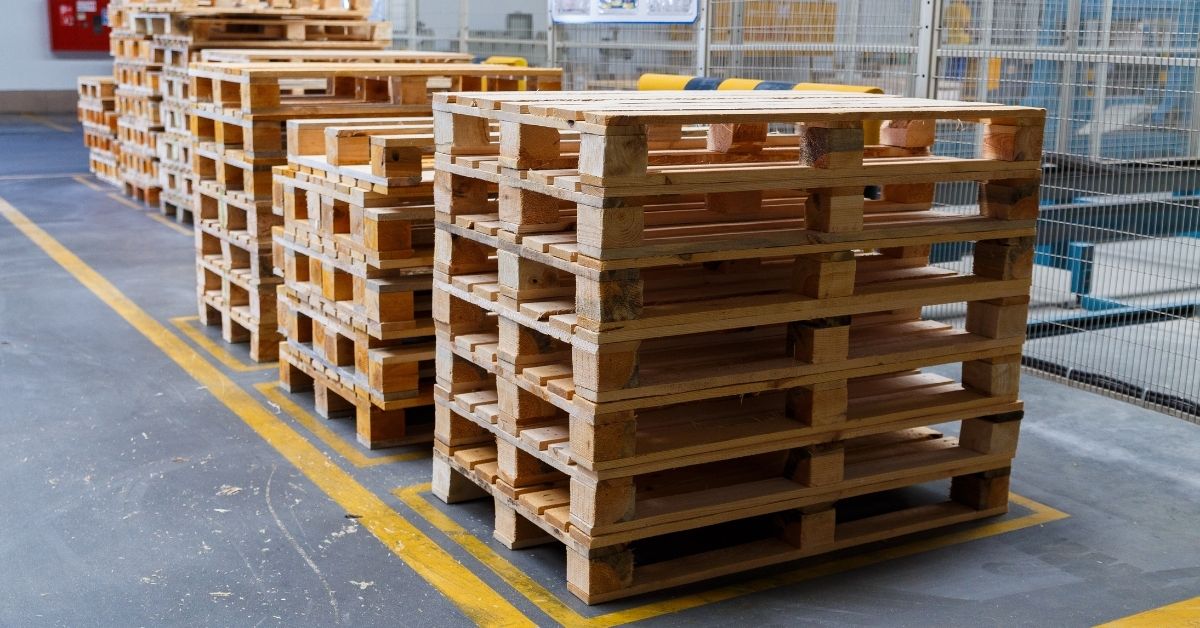
Maximizing the longevity of wooden pallets supports efficient logistics management. While Wooden pallets offer durability and functionality, that depends on a range of factors that determine the lifespan of a wooden pallet. Understanding these details empowers warehouse operators to make strategic decisions for greater cost effectiveness and inventory reliability.
The Impact of Wood Density and Species
The choice of timber species is a determinant of pallet longevity. Hardwood species, such as oak and maple, generally withstand impacts and resist wear better than softwoods, like pine or spruce. Their higher density creates a natural barrier against damage that occurs during transportation or storage. Investing in higher-density options leads to improved performance and fewer replacements.
In contrast, pallets manufactured with softwood offer budget-friendly advantages but tend to exhibit structural weaknesses more quickly. The less dense fibers are prone to splintering and can degrade rapidly when exposed to heavy use or rough handling. This makes hardwood a preferred option for applications demanding superior durability and longevity.
Construction Design and Fastener Quality
A pallet’s engineering directly affects its resilience under load. Block designs support weight more evenly and provide better access to handle equipment, increasing their utility and service life. Adding extra deck boards further distributes pressure and helps protect against localized breakage. Notably, new wood pallets that prioritizes robust construction and delivers the best initial performance but requires careful design choices to maintain value.
Fasteners are another necessary component. Spiraled or screw-shank nails offer far greater holding power than smooth-shank options, preventing premature separation of boards under stress. Loose fasteners quickly compromise the pallet’s integrity and can lead to failure. Superior construction and quality hardware protect your investment throughout the pallet lifecycle.
The Role of Engineered Fasteners
Designers create specialized nails and bolts to meet the unique challenges of the logistics industry. These fasteners maintain the structure by counteracting vibration and movement, especially during transit. When you use strong, securely fastened components, you minimize the risk of mechanical breakdown. Small details in construction can yield major dividends in reliability.
Adherence to Weight Load Capacities
Each pallet can support a specific weight range, both when stationary and in motion. Exceeding these limits introduces stress that can result in cracks, warping, or sudden failure. Adhering to manufacturer-specified capacities is a proven strategy for enhancing lifespan and reducing workplace risks. Overloaded pallets, even if they survive the moment, suffer cumulative damage that shortens their usability.
A pallet might bear a heavier load on the warehouse floor than in transit, where motion intensifies stress. Careful load management preserves pallet integrity and reduces the frequency of breakdowns or costly replacements. This practice supports safer and more reliable operations.
Forklift Handling and Operator Training
Pallet handling forklifts or pallet jacks is a prime source of structural damage for pallets. Improper lifting, dragging, or repeated impact from equipment can weaken boards, cause splits, and reduce the asset value. Training staff in proper handling techniques minimizes the risk of accidental wreckage and extends the useful life of the pallet pool.
An emphasis on careful and consistent handling also contributes to a safer workplace. Reduced breakage means fewer accidents and less damage to goods. Encouraging responsible equipment use develops a culture where operational efficiency does not come at the expense of asset longevity. Facilities with well-trained operators consistently report lower pallet replacement rates.
Environmental Storage Conditions
The storage environment is a major influence on wooden pallet durability. Moisture cycles, temperature extremes, and direct sunlight cause wood to expand, contract, and decay, leading to rapid deterioration. Storing new pallets indoors and away from the elements protects them from these risks, maximizing their service lifespan.
Humidity control is another important consideration. High moisture levels foster mold and fungal growth, while dry environments cause wood to become brittle and susceptible to cracking. Employing climate controls or smart storage strategies stabilizes wood properties, supports hygiene, and preserves pallet strength across seasons.
Managing Moisture Content Levels
Controlling wood moisture below established thresholds may inhibit decay. Kiln-drying new wood pallets offers low baseline moisture content, improving defense against fungal rot. Routine monitoring and appropriate storage conditions maintain this benefit. Thoughtful moisture management is an investment in quality and sustainability.
Frequency of Trip Cycles
Durability is also a function of use frequency. Pallets in high-turnover environments encounter more handling events and greater operational stress, speeding wear and tear. In contrast, pallets used occasionally or within closed-loop systems experience less cumulative damage, extending their practical lifespan considerably.
Single-use pallets are cost-effective for one-off shipments but lack the resilience needed for reuse. Multi-use, high-quality new wood pallets offer longevity, but even they have a finite capacity measured in trip cycles. Tracking cycle history informs replacement planning and resource allocation for long-term savings.
Maintenance and Repair Protocols
Active maintenance extends the life of wooden pallets. Prompt repair of minor damages prevents issues from escalating and keeps pallets in circulation longer. Use a dedicated program for inspecting and refurbishing pallets to protect against unexpected failures and reduce unnecessary waste.
Scheduled inspections immediately following each use allow operations teams to separate damaged items and prioritize repairs. Well-maintained assets consistently outperform neglected pallets, serving reliably and safely for years. This strategic investment in maintenance supports cost control and sustainability.
Susceptibility to Pest Infestation
Wooden pallets are vulnerable to insect activity, especially in areas where wood-boring pests are common. These pests can hollow out boards, weakening their structure and posing biosecurity risks for international shipping. Regular treatment and inspection mitigate these threats and uphold safety standards.
International mandates, such as ISPM-15, require heat treatment to address pests. This process kills insects and reduces residual moisture, further fortifying pallets for long-distance travel. Proper prevention practices offer lasting protection for inventory and cargo alike.
Maximizing Value Through Strategic Pallet Management
Understanding the core factors that determine the lifespan of a wooden pallet drives smarter decisions and supports efficient supply chain management. By focusing on the details, from material selection and design to handling, storage, and maintenance, businesses can improve their pallet fleet for longevity and safety.
First Alliance Logistics Management is ready to support your operations with expert insight and comprehensive solutions. Take the next step to protect your assets and strengthen your supply chain. Connect with First Alliance Logistics Management today.
