Building a Resilient Pallet Supply Strategy
Build a resilient pallet supply strategy that gives your business more flexibility and clearer options when normal sourcing conditions change.


Build a resilient pallet supply strategy that gives your business more flexibility and clearer options when normal sourcing conditions change.

Wood responds to moisture in its surrounding environment, and how pallet components behave changes during storage and handling. Shifts in moisture content can affect the dimensions and mechanical properties of wood, making environmental conditions relevant when businesses establish pallet requirements. The impact of moisture content on wooden pallet performance

By falm

Wooden pallets support product movement throughout the supply chain, but replacing every pallet with new inventory creates a continuous demand for fresh lumber. Many pallets and individual components still have useful service life remaining after their first trip, creating an opportunity to keep existing wood in circulation before additional

Pallet material alone rarely causes failures, but improper weight placement often drives performance issues. Load placement shifts how force distributes across a pallet, especially as it moves through handling equipment, storage systems, and transport conditions. Load direction matters on wooden pallets because it determines how force travels through the

Loading efficiency depends heavily on how pallet design aligns with trailer and container dimensions, as even small inconsistencies can reduce usable space or complicate load planning. When pallet size, structure, or configuration does not match transport requirements, gaps form within loads, which limits capacity and increases handling complexity. Understanding
Pallet movement across supply chains often lacks structure, especially when pallets move beyond controlled environments and rely on inconsistent return practices. As pallets circulate through multiple facilities and partners, visibility declines while loss rates increase, which introduces both operational inefficiencies and rising replacement costs. These challenges become more pronounced

Managing pallet inventory across multiple locations introduces challenges that go beyond simple tracking, especially when usage rates, return cycles, and supply needs vary between sites. Without a coordinated approach, imbalances can develop quickly, leading to shortages in one location and excess inventory in another. Understanding the best practices for
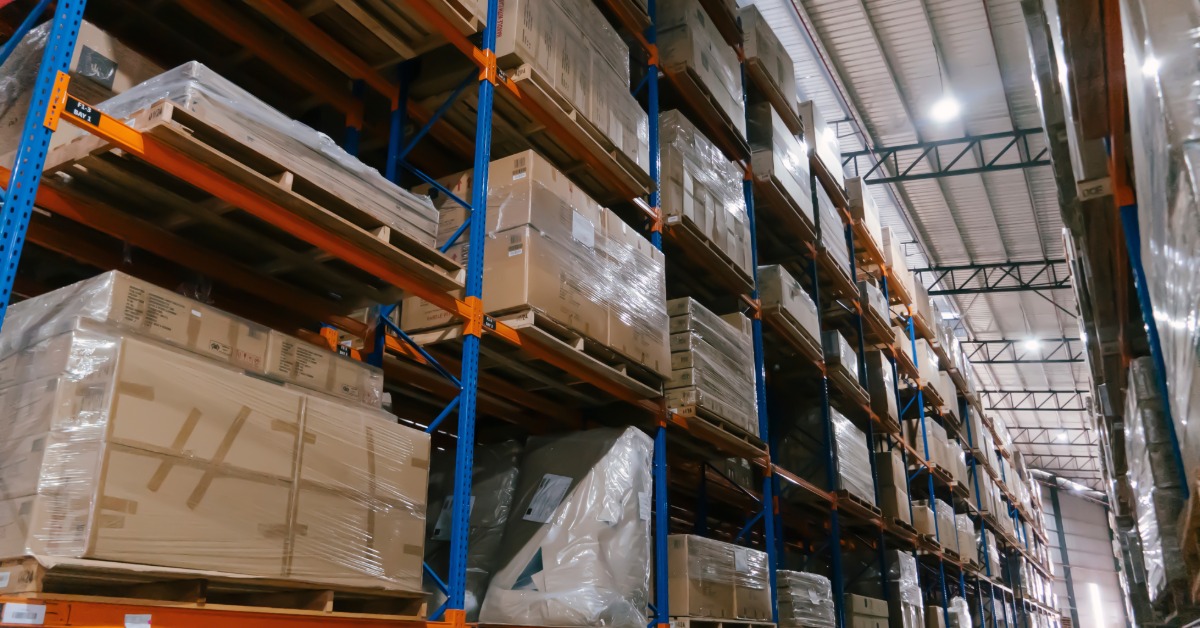
Storage conditions place different demands on pallets than active shipping or frequent handling environments, particularly when loads remain stationary for extended periods. Even minor structural weaknesses can affect stability, especially when pallets must support consistent weight without regular repositioning or adjustment. Understanding what makes a pallet suitable for long-term

Warehouse performance depends on how smoothly materials move through receiving, storage, and shipping, yet pallet variability can introduce friction at each stage of that process. When pallets differ in size, condition, or structure, even small inconsistencies can disrupt workflows that rely on predictable handling and equipment interaction. Understanding how

A pallet’s condition directly affects how loads move through a warehouse, yet early signs of structural weakness are not always obvious during routine handling. Small defects can develop into larger failures when operators repeatedly use pallets, especially in fast-paced distribution environments where staff members have limited inspection time. Common
