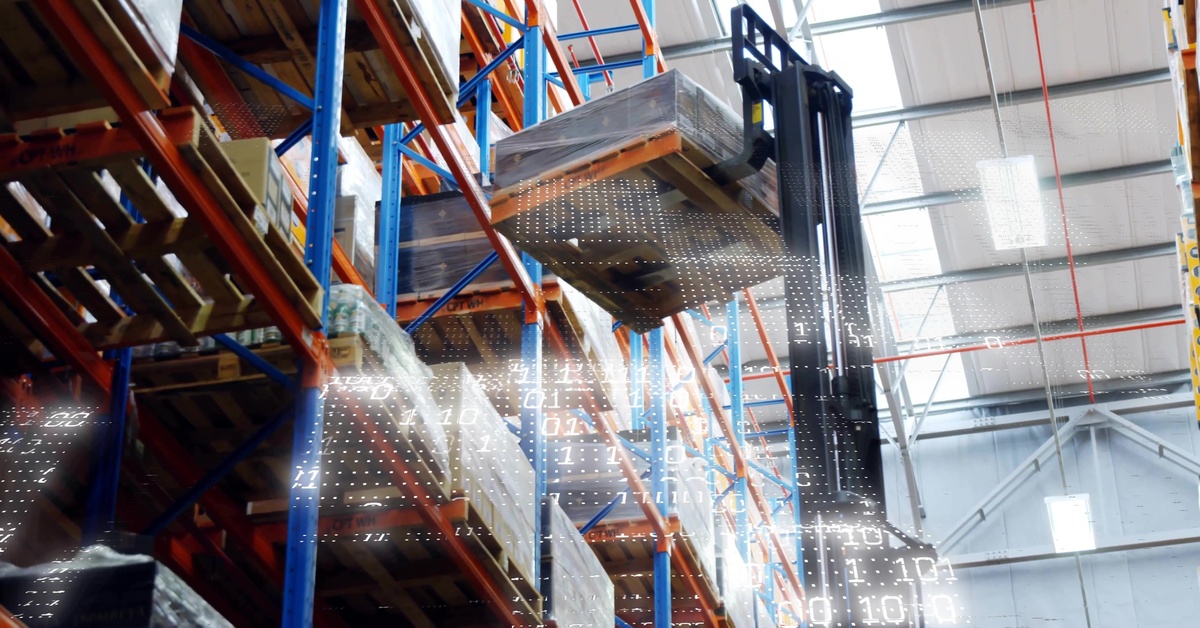
Modern supply chains demand precision, speed, and efficiency to stay competitive. Warehouse managers constantly seek innovative solutions to streamline their operations and reduce unnecessary costs. One major advancement changing the logistics landscape is the way warehouses are investing in pallet tracking technology. This technology provides unprecedented control and visibility over inventory from the moment it enters the facility until it departs.
Enhancing Inventory Accuracy and Visibility
A primary driver for adopting pallet tracking systems is the improvement in inventory accuracy. Manual counts and paper-based systems are prone to human error, leading to discrepancies that can disrupt the entire supply chain. By automating the tracking process with technologies like RFID or Bluetooth, warehouses gain real-time data on every pallet’s location, minimizing mistakes and providing a consistently reliable inventory count.
This heightened accuracy enhances operational visibility. Managers can monitor the flow of goods throughout the facility, identify bottlenecks, and optimize workflows with precision. This level of insight allows for better planning and resource allocation, making it easier to manage both new assets and cost-effective solutions like recycled pallets for sale.
Boosting Operational Efficiency and Reducing Loss
Implementing tracking technology streamlines daily warehouse functions, leading to a substantial increase in efficiency. Workers can locate specific pallets quickly, reducing the time spent searching for lost items and speeding up order fulfillment. This acceleration of picking and packing processes allows warehouses to handle higher volumes without a proportional increase in labor costs.
Furthermore, this technology reduces pallet loss, a common and costly problem. Tracking systems create an accountable chain of custody, making it easier to protect these assets, especially when sourcing high-quality recycled pallets for sale to support sustainable and budget-friendly operations.
Streamlining Data and Integrating Advanced Solutions
Modern pallet tracking systems offer more than simple location data by integrating with warehouse management systems (WMS). This connection creates a powerful, unified platform that oversees all logistical activities and makes data-driven decisions. Leaders can analyze performance metrics, forecast demand more accurately, and customize inventory levels based on reliable information.
The integration capabilities also open the door to advanced technologies like IoT sensors and computer vision. These solutions monitor conditions, like temperature and humidity, for sensitive goods or use AI to verify pallet contents automatically. This gives companies a competitive edge and refines their asset management strategies for all pallet types, including the recycled pallets for sale that many businesses depend on.
The Future of Warehouse Management
The shift toward data-driven logistics highlights the importance of the way warehouses are investing in pallet tracking technology. These systems offer location data and the intelligence needed to build a more resilient, efficient, and profitable supply chain. By embracing these tools, companies can alter their operations and prepare for future industry demands.
Discover how First Alliance Logistics Management can help with your pallet program. Contact our team today to learn more about our comprehensive logistics solutions and how you can achieve your operational goals.