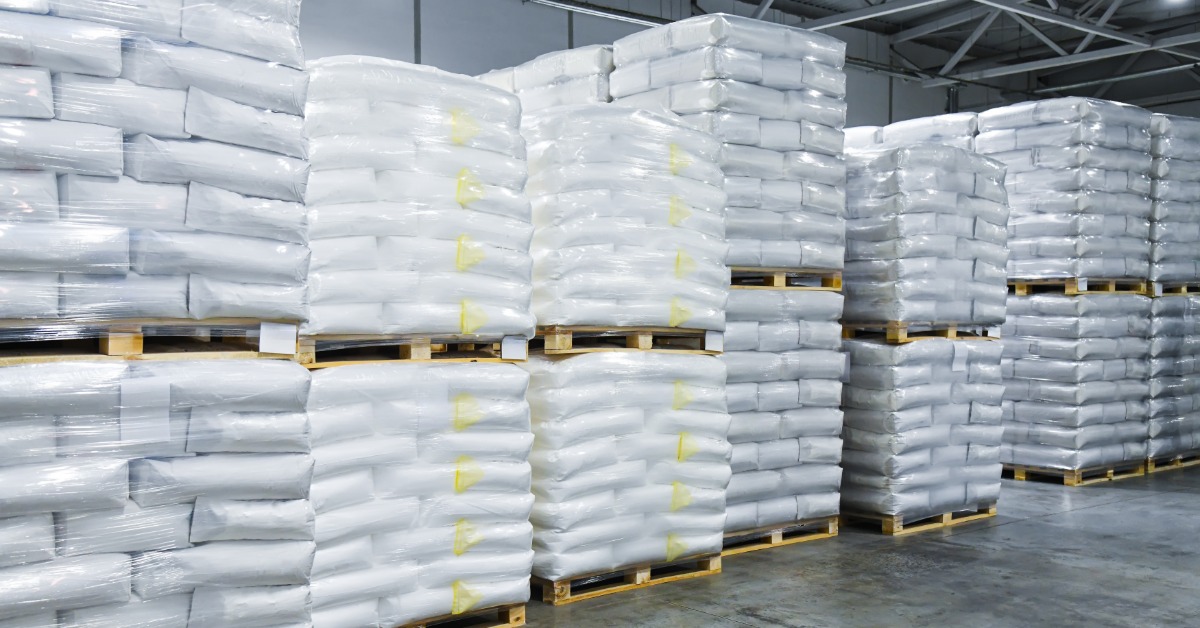
Warehouse space has practical limits, so the way palletized loads occupy that space can influence how effectively a facility uses its available storage capacity. Pallet dimensions and structural consistency affect whether units form stable stacks and fit predictably within designated storage areas. The relationship between the pallet and its load also determines whether a design that appears efficient on its own remains practical once products enter the equation.
Effective pallet design for stackability and space efficiency starts by treating the pallet as part of the complete storage system. Businesses need specifications that support the load while creating predictable dimensions and stable contact between stacked units. Those characteristics can help facilities make better use of available space without allowing storage density to compromise load stability.
Start With Consistent Pallet Dimensions
When pallets intended for the same application vary in length, width, or height, warehouse teams lose some of the predictability they need for stacking. Those dimensional differences can affect how one loaded pallet sits above another, particularly when variations repeat through multiple levels of a stack. A small inconsistency near the bottom may become more consequential as additional units add height.
Maintaining tighter dimensional consistency gives warehouse teams a more dependable footprint to work with. It also makes storage planning easier because employees can base space requirements on established pallet measurements instead of allowing for unnecessary variation.
The benefits become especially relevant when the same products move through multiple facilities. A company using national pallet solutions may need pallet specifications that remain consistent across locations even when different suppliers support the network. Maintaining shared requirements helps each facility plan around the same pallet dimensions and reduces unexpected differences when inventory moves between sites.
Design the Pallet Around the Product Footprint
Choosing pallet dimensions requires looking at the footprint of the loaded product, not simply the dimensions of the empty pallet. When products extend beyond the pallet perimeter, they may face greater exposure to contact during storage. Excess pallet space creates the opposite problem: the platform occupies additional warehouse space without necessarily providing useful support for the load.
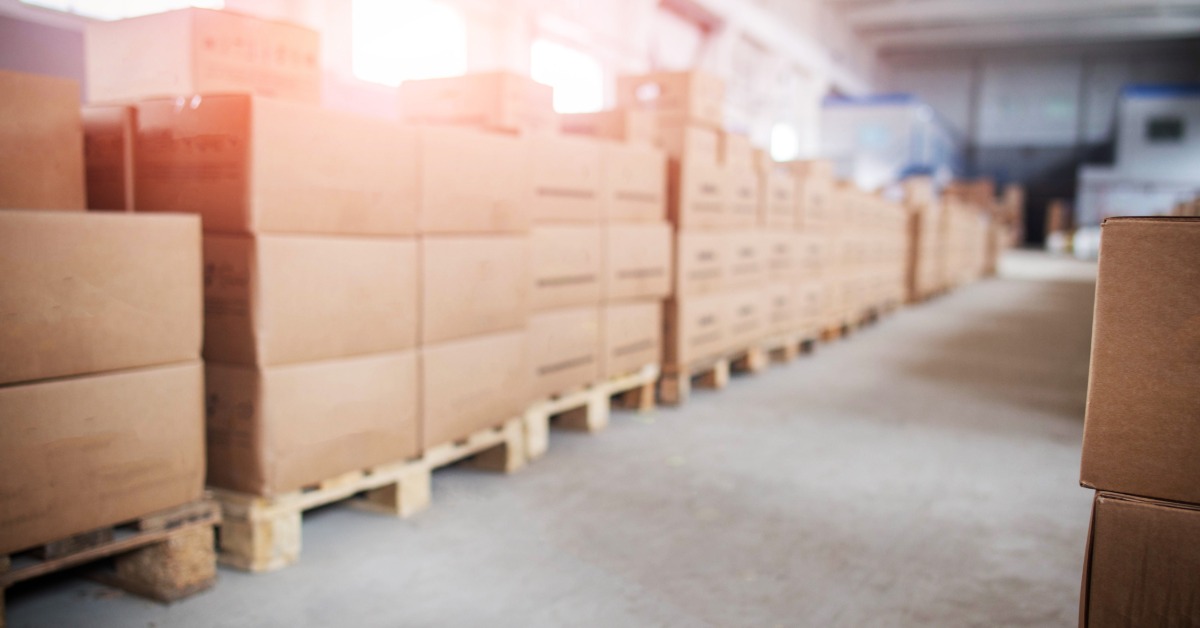
Finding an appropriate fit means preserving the surface area and structural support the product requires while avoiding dimensions that add unnecessary space. Packaging can influence that calculation as well. Uniform boxes may allow businesses to create repeatable loading patterns that use the pallet surface efficiently, whereas irregular products can require dimensions tailored more closely to their shape.
Buyers should ultimately evaluate space efficiency based on the complete palletized load. A pallet with an efficient footprint by itself provides little advantage if the finished load extends past its edges or leaves substantial unused space.
Account for How Loads Transfer Weight Through a Stack
When businesses stack loaded pallets, the weight of each upper unit moves through both the products and pallet components beneath it. How successfully the stack handles that pressure depends partly on the characteristics of the load. Rigid containers may distribute weight differently from products that compress or shift, which means a pallet specification that performs well with one product may behave differently when the load changes.
For that reason, buyers need to evaluate the pallet and product as a complete system when determining stackability. Deck board placement and structural support can provide an appropriate platform, but the product must also maintain suitable contact as additional weight enters the stack. Evaluating those interactions under the application’s actual conditions gives businesses a better basis for pallet specifications than considering the empty pallet alone.
Consider Vertical Space Along With Floor Space
Warehouse storage capacity depends on the height of a palletized load as well as the amount of floor space it occupies. In areas with fixed vertical clearances, even modest differences in pallet height can affect how efficiently loads fit within the available space. The effect can become more pronounced when facilities stack multiple units, since each pallet contributes to the total height.
Reducing pallet height, however, only makes sense when the resulting design still provides the structural support required for the application. Buyers should compare pallet dimensions with typical load heights and the clearances available in their storage environment. This keeps vertical space efficiency tied to actual warehouse constraints without sacrificing the pallet characteristics needed to support the load.
Maintain the Specifications That Support Stackability

A pallet design may work well on paper but produce inconsistent results if the pallets supplied to the operation regularly fall outside the intended specifications. Stackability depends on maintaining the characteristics that made the design suitable in the first place.
Purchasing teams should communicate dimensional and construction requirements clearly when sourcing pallets. Consistent specifications become especially important when several suppliers or locations contribute pallet inventory to the same operation. Without that coordination, dimensional differences can make pallet performance less predictable across the operation.
Working with national pallet solutions can help businesses coordinate pallet requirements across a broader network while keeping specifications connected to the intended application. The objective is to maintain enough consistency that facilities can plan storage around known pallet characteristics instead of repeatedly adjusting for avoidable variation.
Evaluate Handling Requirements Before Increasing Storage Density
Making fuller use of warehouse space can create handling problems when tighter storage arrangements leave insufficient clearance for employees or equipment. Pallet dimensions influence how forklifts approach and engage loads, which means a footprint that looks efficient on a floor plan may become impractical during routine movement. Before changing pallet dimensions or stacking practices, facilities should consider retrieval paths, equipment access, and the clearance required around loaded pallets. Accounting for those operational constraints allows businesses to pursue greater storage density without creating a pallet configuration that makes the surrounding space harder to use.
Build Stackability Into the Pallet Specification
Designing pallets for better stackability and space efficiency requires businesses to evaluate the pallet as part of the complete loaded unit. Dimensions that fit the product and available storage space can help determine whether a pallet specification supports efficient storage in practice. Addressing these factors during specification also gives facilities a more consistent basis for planning how palletized loads will occupy their available space.
As pallet requirements expand across multiple locations, maintaining consistent specifications can become more difficult. First Alliance Logistics Management helps businesses coordinate national pallet solutions around their applications and facility requirements. Contact FALM to discuss pallet sourcing that supports consistent specifications across your network.