
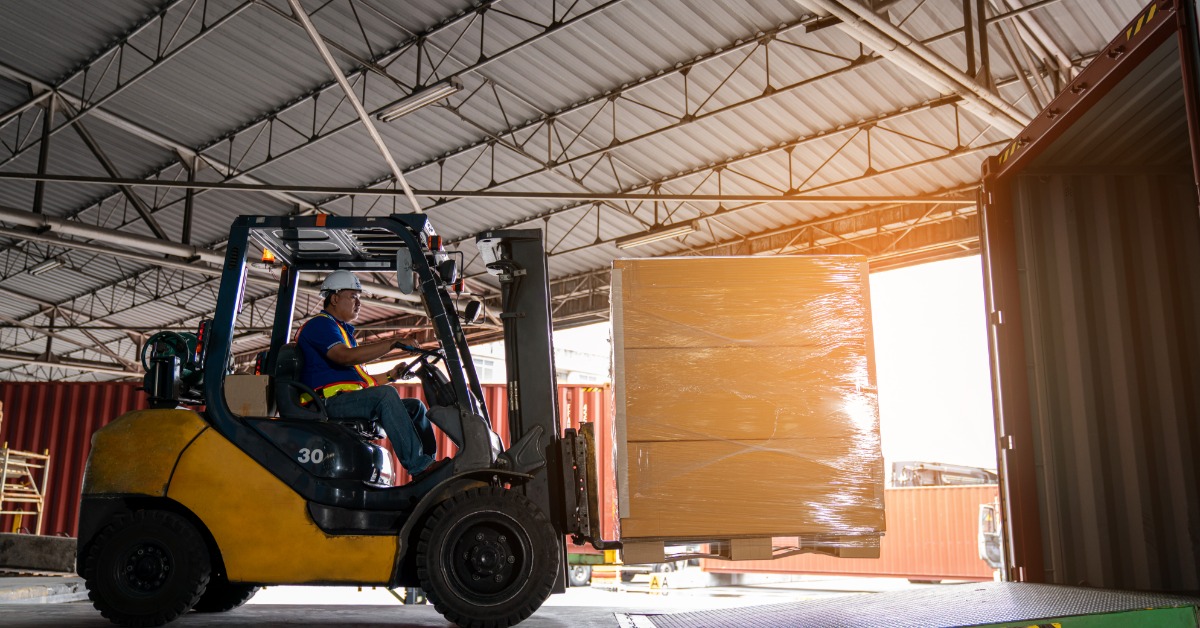
When products extend beyond the edges of a pallet, even routine shipping conditions can expose them to damage. Understanding how pallet overhang can damage products in transit allows logistics managers to identify packaging weaknesses before shipments leave their facilities. Proper load positioning protects merchandise while supporting more consistent handling throughout the distribution process.
Unsupported Product Edges Increase the Risk of Damage
Pallet overhang occurs when boxes or other packaged goods extend past the pallet’s outer dimensions. Without adequate support beneath these edges, packaging may bend under the weight of stacked products.
Corrugated boxes rely on their structural design to withstand compression, but unsupported corners can weaken their ability to carry vertical loads. As pressure builds during stacking, lower cartons may buckle and compromise the stability of the entire shipment.
Businesses that regularly ship oversized products can use custom wood pallets to match pallet dimensions more closely to their packaging requirements. A properly sized platform provides support beneath the load and reduces stress on exposed edges.
Exposed Packaging Faces Greater Impact During Handling
Throughout transportation, warehouse teams move palletized products using forklifts and other material handling equipment. When cartons extend beyond the pallet perimeter, they become more vulnerable to contact with nearby freight or warehouse structures.
Even minor collisions can crush packaging corners or damage products inside. Repeated handling increases the opportunities for contact, particularly when workers transfer shipments between storage areas and trailers.
Maintaining a consistent load footprint gives operators a clearer understanding of the space each shipment requires. Companies can also evaluate custom wood pallets when standard dimensions leave products exposed during routine handling.
Uneven Load Support Reduces Stability During Transportation
Road conditions create movement that can affect palletized freight throughout a shipment. Sudden braking or changes in direction place additional forces on stacked products, particularly when packaging extends beyond the supporting pallet surface.
Overhanging cartons may shift under these forces, increasing pressure on neighboring packages and weakening the overall load arrangement. Stretch wrap can limit movement, but it cannot replace the structural support that properly positioned products require.
For shipments with unusual dimensions, custom wood pallets offer an opportunity to establish a more suitable footprint. Logistics managers should also evaluate product weight distribution and stacking configurations to determine whether the pallet adequately supports the intended load.
Proper Pallet Sizing Reduces Product Exposure
Preventing overhang starts with comparing product dimensions against the usable pallet surface. Packaging teams should account for the complete load footprint, including any variation in carton placement across stacked layers. Understanding how pallet overhang can damage products in transit also highlights the importance of choosing pallets that accommodate actual shipping requirements.
At First Alliance Logistics Management, we provide pallet sourcing solutions that support businesses with varying freight requirements. Contact us today to discuss your pallet needs and explore options that better accommodate your products during transportation.