
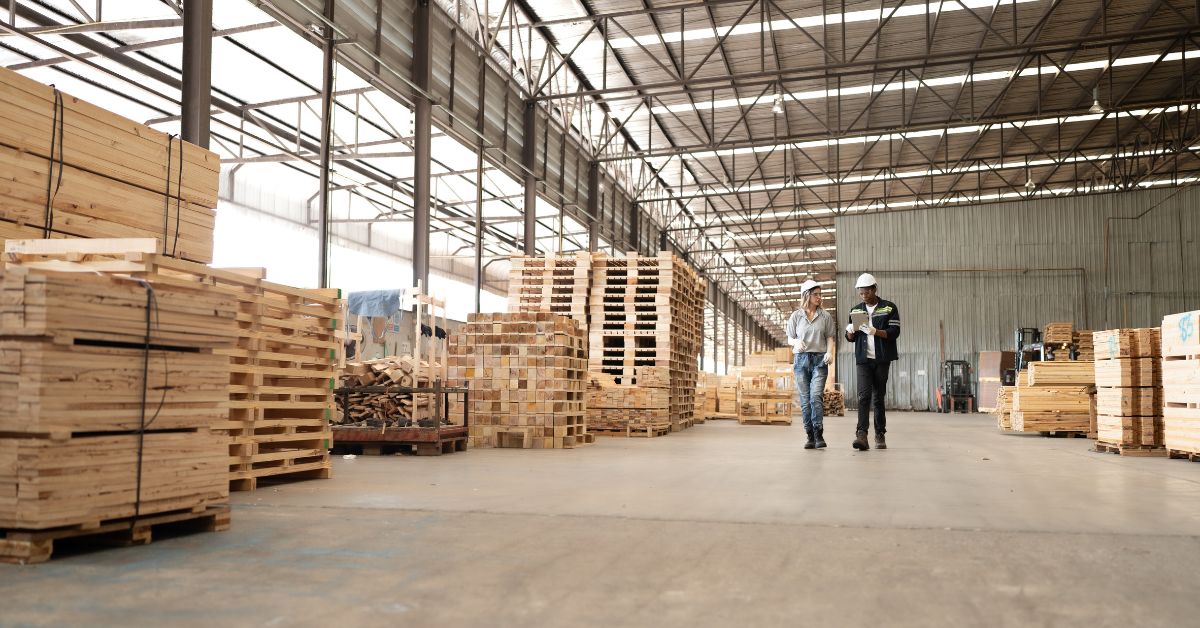
Picture forklifts zipping by, packages moving, and orders flying out the door. Your warehouse is a beautiful symphony of efficiency. But the whole performance can come to a screeching halt with just one bad pallet. A single cracked, broken, or overloaded pallet can cause product damage, equipment failure, and even serious injuries.
Keeping these issues at bay comes down to a simple, repeatable process: pallet safety inspections. In this guide, you’ll learn how to conduct pallet safety inspections in your warehouse to keep your pallets, products, and people safe.
Gearing Up for Your Inspection Adventure
First, assemble your inspection kit. You’ll want a clipboard with an inspection checklist (we’ll get to that!), a trusty flashlight, a pair of sturdy gloves, and a camera. Photos are your best friends when it comes to tracking repairs and replacements.
Next, get familiar with the rules. Your two main guides are the manufacturer’s recommendations for the pallets and OSHA’s guidelines for warehouse safety. Knowing the official standards will help you understand exactly what to look for. Finally, make a habit of scheduling weekly or monthly inspections and performing inspections when any incidents occur.
The Anatomy of a Pallet: What To Look For
A pallet might seem like a simple slab of wood, but it’s an engineered tool that can develop signs of wear and tear over time.
Structural Integrity
Start by giving the pallet a good once-over. Check for any obvious cracks, splits, or chunks of wood missing from the deck boards or stringers. Look for loose or missing nails and fasteners and nails that are sticking out. These are major hazards, ready to snag products, clothing, or even an employee’s skin.
Run a gloved hand along the edges and surfaces to feel for any sharp edges or splinters that could cause injuries. If your business handles high volumes, consider creating a consistent supply of quality pallets to reduce these risks. Some companies find that sourcing quality used wood pallets from a reliable vendor is the most cost-effective way to maintain these standards.
Contamination and Rot
If you’re using wooden pallets, you have to be vigilant about their condition. Wood is a natural material, and it’s susceptible to moisture damage. Look for dark, discolored patches; a spongy texture; or a musty smell, which are all telltale signs of rot. Mold is another red flag, since it can contaminate products and cause health issues.
Also, keep an eye out for any signs of chemical spills or stains. Certain chemicals can weaken the wood fibers, compromising the pallet’s strength. A clean pallet is a safe pallet. Make sure the pallet is free of dirt, grease, and other debris that could create slip hazards or transfer to your valuable inventory.
It’s All About the Load (and How You Handle It)
A perfect pallet is still a hazard if it’s not loaded or stored correctly. Your inspection process needs to cover how your team is using the pallets day to day.
Weight Limits Aren’t Suggestions
Every pallet has a rated load capacity, or the maximum weight it can safely carry. Overloading a pallet is like playing a dangerous game of Jenga. Check for pallets that are visibly bowing, sagging, or creaking under their loads. This is a clear sign that the pallet is stressed beyond its limit and at risk of failure.
The way you arrange a load is also important. Distribute the weight as evenly as possible. Avoid creating a pyramid shape, and secure the load with shrink wrap or straps. Look for any items overhanging the pallet’s edges, as this can unbalance the load and make it prone to tipping, especially when being moved or placed in racking. Speaking of which, periodically check your inventory of used wood pallets for safety conditions for their intended loads.
Smart Storage and Stacking
Where you store your pallets is also important. When you’re stacking empty pallets, make sure the stacks are straight and stable. A leaning tower of pallets is an accident waiting to happen. Follow warehouse guidelines on maximum stack heights to prevent the pallets from toppling over.
When placing loaded pallets into racking systems, set them correctly on the support beams. The pallets should rest squarely on the front and back beams, not teetering on an edge. While you’re at it, give the racks themselves a quick check. A damaged rack combined with a damaged pallet is a recipe for disaster.
From Inspection to Action: Closing the Loop
If you find a damaged pallet, what you do next is what truly makes your warehouse safer.
Tag It, Log It, and Move It
Once you identify a pallet that has failed inspection, you need to take it out of circulation immediately. Use a brightly colored tag or spray paint to clearly mark it as “DAMAGED—DO NOT USE.” This prevents anyone from accidentally using it.
Log your findings on your inspection sheet, and take photos. These steps create a record that helps you track trends, such as the same type of damage occurring over and over. Once you’ve tagged the damaged pallet, move it to a designated quarantine area away from the main workflow.
The Big Decision: Repair or Replace?
Now you have to decide the pallet’s fate. For minor damage, such as a single broken deck board or a few loose nails, a repair is possible. However, if you see cracked stringers or widespread rot, the pallet is likely beyond saving. Trying to patch up a severely damaged pallet is a risky move that just isn’t worth it.
Dispose of any retired pallets according to your company’s policy. Many suppliers, especially those who deal in used wood pallets, have recycling or buy-back programs. This is a sustainable way to manage your pallet inventory.
Partner With a Trusted Pallet Supplier
A strong pallet management program that includes conducting pallet safety inspections in your warehouse creates a safer, more efficient warehouse. Build a stronger foundation for your logistics with First Alliance Logistics Management. We offer top-quality new and recycled wooden pallets to keep your business moving safely and efficiently. Contact us today for a quote to discover how our reliable, single-source supply can streamline your operations.
