
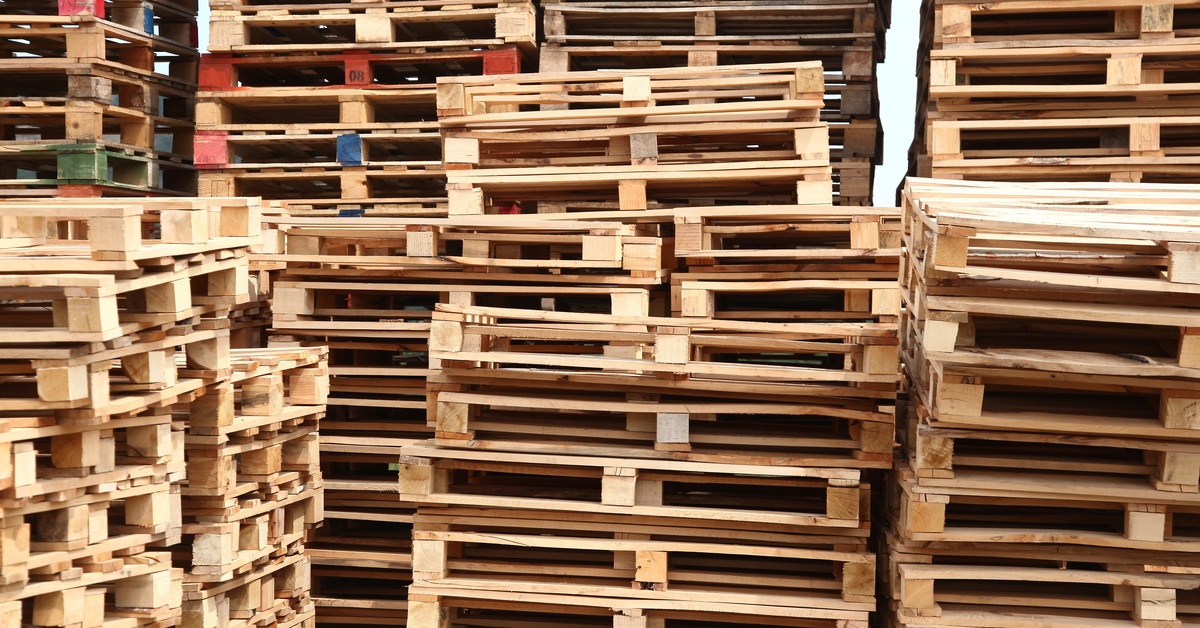
Supply disruptions can create immediate pressure on pallet availability, particularly when production slows or demand increases unexpectedly across regions. When businesses rely heavily on new pallet manufacturing, even short-term constraints can lead to delays that affect operations.
Recycled pallets help stabilize supply during shortages by incorporating recycled inventory into sourcing strategies. This way businesses can maintain more consistent pallet availability even when traditional supply becomes limited.
Alternative Supply Streams
Recycled pallets introduce an additional sourcing channel that operates independently from new pallet production, which allows businesses to access inventory even when manufacturing output declines. This alternative stream draws from recovered pallets that teams can repair and return to circulation more quickly than producing new units from raw materials.
When shortages affect primary supply, these recovery-based channels create flexibility that supports continued operations. Businesses sourcing recycled pallets for sale can rely on this secondary stream to supplement inventory during periods of constrained production.
Faster Reintroduction Into Circulation
Recovered pallets move through repair and redistribution processes that typically require less time than sourcing new materials and completing full production cycles. This shorter turnaround allows recycled pallets to re-enter circulation more quickly when supply gaps emerge.
During shortages, this speed becomes an advantage, as businesses can replenish inventory without waiting for extended manufacturing timelines. As a result, operations maintain continuity even when traditional sourcing channels slow down.
Reducing Dependency on New Production
Heavy reliance on new pallet manufacturing increases vulnerability when lumber supply tightens or production capacity becomes limited. Recycled pallets reduce this dependency by providing an existing inventory pool that teams can recondition and reuse.
Incorporating recycled pallets for sale into sourcing strategies allows businesses to balance their reliance on new production while maintaining access to pallets during constrained conditions. This approach creates a more resilient supply structure that adapts to market fluctuations.
Supporting Operational Continuity
Consistent pallet availability maintains warehouse efficiency, especially when facilities operate on tight schedules and high throughput. Shortages can create bottlenecks that slow down material movement and disrupt coordinated workflows.
Recycled pallets provide a stabilizing effect by filling gaps in supply, which allows operations to continue without major interruptions. Businesses that integrate recycled inventory into their sourcing mix create a buffer that supports steady performance across changing conditions.
Integrating Recycled Inventory Into Supply Planning
Effective supply planning requires a sourcing strategy that accounts for both stable and disrupted conditions. Recycled pallets function as a flexible component within that strategy, allowing businesses to adjust sourcing volumes based on availability.
Using recycled pallets for sale alongside new inventory creates a more balanced approach, where procurement teams can respond to shortages without overextending long-term commitments. This integration supports both short-term responsiveness and long-term planning.
Maintain Stability When Supply Conditions Shift
Stabilizing pallet supply during shortages requires businesses to build flexibility into their procurement strategies before disruptions occur. Recycled pallets offer a practical way to maintain availability by providing an additional supply stream that adapts to changing conditions.
Understanding how recycled pallets help stabilize supply during shortages allows organizations to strengthen their sourcing approach and reduce the impact of constrained markets. Companies can work with First Alliance Logistics Management to secure recycled pallets and maintain consistent operations even when supply conditions shift.