Pallet movement across supply chains often lacks structure, especially when pallets move beyond controlled environments and rely on inconsistent return practices. As pallets circulate through multiple facilities and partners, visibility declines while loss rates increase, which introduces both operational inefficiencies and rising replacement costs. These challenges become more pronounced in high-volume networks where pallet turnover remains constant, and recovery processes are not clearly defined.
Examining the advantages of closed-loop wooden pallet systems starts with how controlled circulation improves tracking, recovery, and long-term cost management. When pallets remain within a defined network, businesses gain greater control over inventory while maintaining consistent performance across operations.
How Closed-Loop Systems Operate
Closed-loop pallet systems keep pallets within a predetermined network, where movement follows established routes and return expectations. Instead of dispersing across unknown destinations, pallets circulate between known facilities, which allows teams to plan around defined inventory flows.
This structure introduces predictability into pallet movement, which reduces the need for reactive sourcing decisions. When operations rely on known return paths, pallet availability becomes easier to anticipate, particularly in environments where throughput depends on steady material flow. It also allows organizations to define service levels internally while reducing dependence on external availability that may shift without warning.
Reducing Pallet Loss and Shrinkage
Loss rates increase quickly in open systems because pallets leave controlled environments without a reliable mechanism for return. This creates a cycle of replacement that drives up costs and complicates procurement planning.
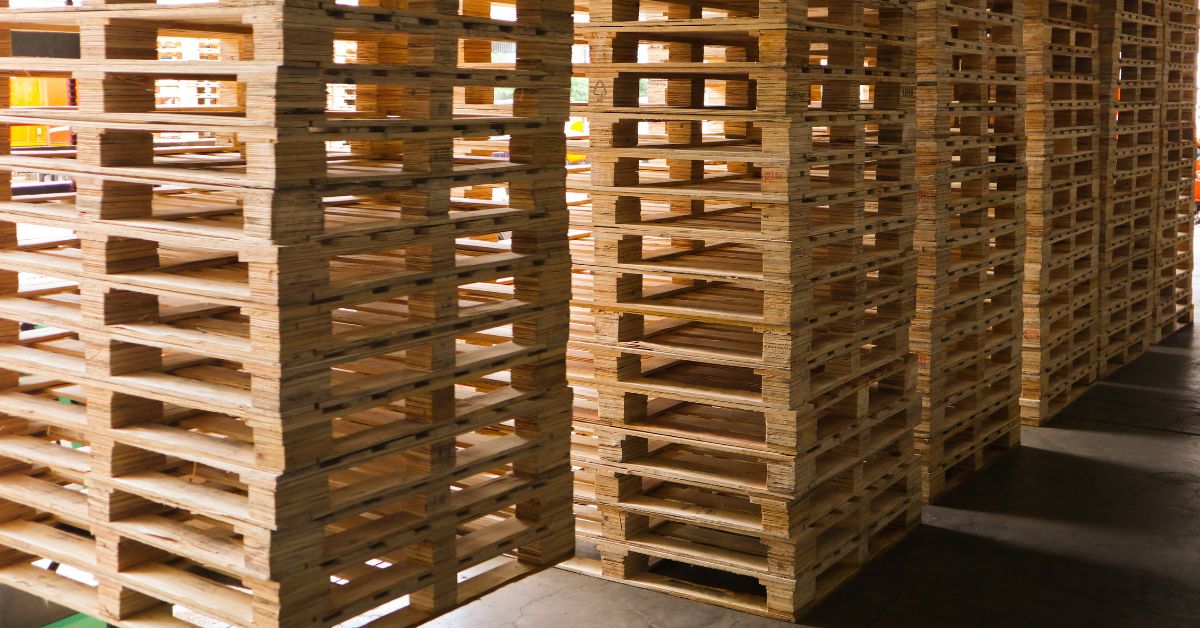
Closed-loop systems interrupt that cycle by keeping pallets within a controlled network. When return paths are clearly defined, businesses retain visibility and accountability, which reduces shrinkage and extends usable life. Companies using new wood pallets in these systems benefit from longer circulation cycles and fewer replacement events, which supports more stable budgeting.
Improving Tracking and Inventory Visibility
Limited visibility into pallet location creates uncertainty that affects both planning and execution. Without reliable data, businesses may compensate by overordering, which ties up capital without improving actual availability.
Closed-loop systems create a framework where pallet movement becomes easier to track, not because of added complexity, but because the system itself limits where pallets can go. This constraint simplifies inventory oversight and allows teams to base decisions on actual movement patterns instead of relying on assumptions.
Data-Driven Oversight
Tracking pallet flow within a closed system generates usable data that reflects real operating conditions. Instead of estimating usage, businesses can observe return timing, identify delays, and adjust circulation patterns.
Procurement and operations teams use this visibility to match supply to demand, reducing excess inventory without sacrificing availability. This level of insight supports ongoing refinement and reduces the need for reactive adjustments.
Strengthening Cost Control Through Reuse
Closed-loop systems shift cost control away from continuous replacement and toward managing assets already in circulation. Instead of treating pallets as disposable, businesses treat them as controlled assets that retain value over multiple cycles.
This creates a more stable cost structure, with spending tied to maintenance and recovery instead of unpredictable replacement. Incorporating new wood pallets at the start of the system supports this model by providing consistent baseline quality that holds up under repeated use, which reduces variability in long-term performance.
Enhancing Operational Efficiency
Operational efficiency improves when pallet availability becomes predictable, particularly in facilities where delays can affect multiple downstream processes. When pallets are not readily available, teams must pause or reallocate resources, which disrupts workflow continuity.
Closed-loop systems reduce these interruptions by maintaining a steady supply within the network. As a result, facilities spend less time managing shortages and more time maintaining throughput, which becomes increasingly important as operations scale and coordination between locations becomes more complex.
Standardized Pallet Flows
Standardized flows remove variability from pallet movement, which simplifies coordination between locations. When each facility operates within the same structure, handoffs become more consistent and easier to manage.
This consistency reduces friction between sites and supports smoother execution across the network, particularly in environments where timing directly affects output and coordination.
Improving Reverse Logistics Coordination
Businesses make reverse logistics more predictable by building return expectations into the system from the start. In open systems, pallets accumulate at downstream locations, where recovery depends on additional coordination.
Closed-loop systems eliminate that uncertainty by defining return paths from the outset. Pallets move with the expectation of return, which reduces delays and allows inventory to re-enter circulation without requiring additional intervention, even as network complexity increases.
Supporting Multi-Site Integration
Multi-site operations can struggle with inconsistent pallet availability because each location manages supply independently. This fragmentation creates inefficiencies when inventory must move between facilities.
Closed-loop systems address this issue by linking locations through a shared pallet strategy. When pallets circulate within the same network, businesses can shift inventory where needed without relying on separate sourcing decisions. Companies using new pallets within this structure maintain consistency that supports compatibility across sites and reduces handling issues.
Increasing Sustainability Through Controlled Reuse
Sustainability improves when pallets remain in circulation longer, reducing the need for new material inputs and limiting waste. Closed-loop systems support this outcome by extending pallet lifecycles through controlled reuse.
Businesses maximize the value of existing materials instead of relying on continuous replacement. This aligns operational efficiency with environmental considerations without requiring major changes to infrastructure or operational workflows.
Reducing Variability in Supply and Performance
Variability in pallet condition and availability creates inefficiencies that affect handling, storage, and transport. When pallets differ in quality, teams must adjust processes to accommodate those differences, which slows down operations.
Closed-loop systems reduce this variability by maintaining control over both pallet condition and movement. This consistency supports more predictable operations and reduces the need for ongoing adjustments during handling, particularly in high-throughput environments.
Building a More Predictable Pallet Strategy
Closed-loop wooden pallet systems provide a structured approach to pallet management, where movement, recovery, and reuse operate within a controlled framework. This structure improves visibility and stabilizes costs without introducing unnecessary complexity.
Understanding the advantages of closed-loop wooden pallet systems allows businesses to develop strategies that support long-term performance. Companies can work with First Alliance Logistics Management to implement new wood pallets within closed-loop systems that improve coordination and maintain consistent supply across their operations.
